

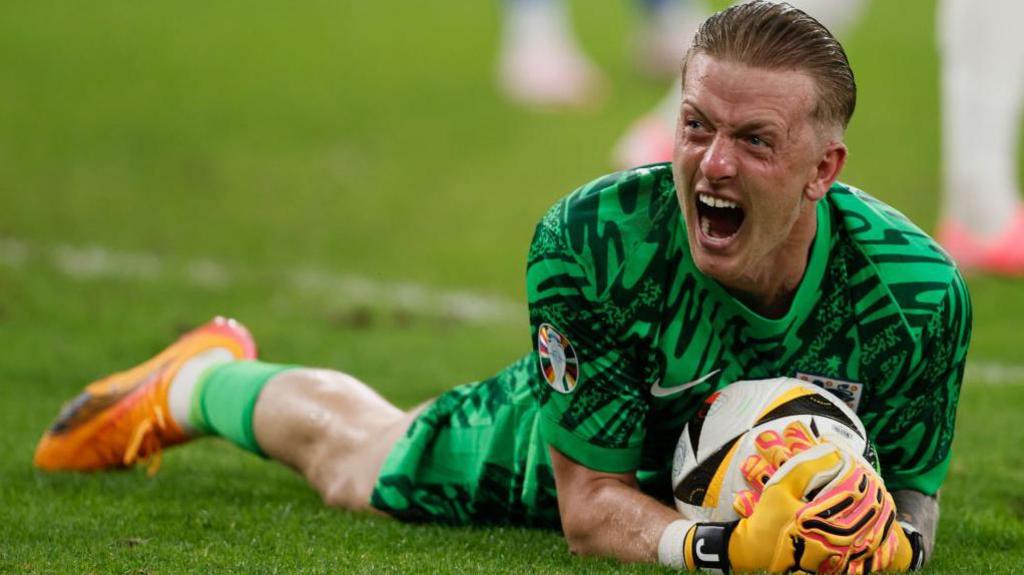
If you have ever felt your blood boil watching a goalkeeper casually hold the ball for half a minute while their team clings to a slim lead, refereeing bodies finally heard your frustration.
The Premier League has officially cracked down on goalkeeper delay tactics, introducing an enforced eight-second possession limit that is already causing tactical chaos across the pitch.
How the New Eight-Second Rule Works
In the past, the law technically stated a goalkeeper could only hold the ball for six seconds. However, referees almost never enforced it because the penalty—an indirect free kick inside the penalty box—felt way too harsh for a few extra seconds of hesitation.
Under the updated guidelines, goalkeepers now get eight seconds to distribute the ball after securing possession with their hands. But here is the real kicker: the punishment has completely changed.
If a keeper overstays their welcome, the referee awards a corner kick to the opposition.
To make the timing crystal clear for everyone inside the stadium, officials are required to raise a hand and visually count down the final five seconds. Once that arm starts pumping, the pressure is instantly on.
Why This Changes the Game
Awarding a corner kick gives attacking teams a massive set-piece opportunity out of thin air, forcing managers and shot-stoppers to drastically adapt their approach.
Faster Transitions: Keepers can no longer stall to let their outfield defenders catch their breath or get into ideal shape.
Aggressive Pressing: Opposition forwards now have every incentive to crowd the box, forcing goalkeepers to make split-second distribution decisions under intense pressure.
End of Stoppage-Time Dramatics: The days of dramatic floor-flops and endless ball-clutching in the 90th minute are effectively over unless teams want to hand the opponent a late set-piece gift.
It is a subtle rule tweak on paper, but on the pitch, it is already serving its main purpose: keeping the game fast, fair, and flowing.


